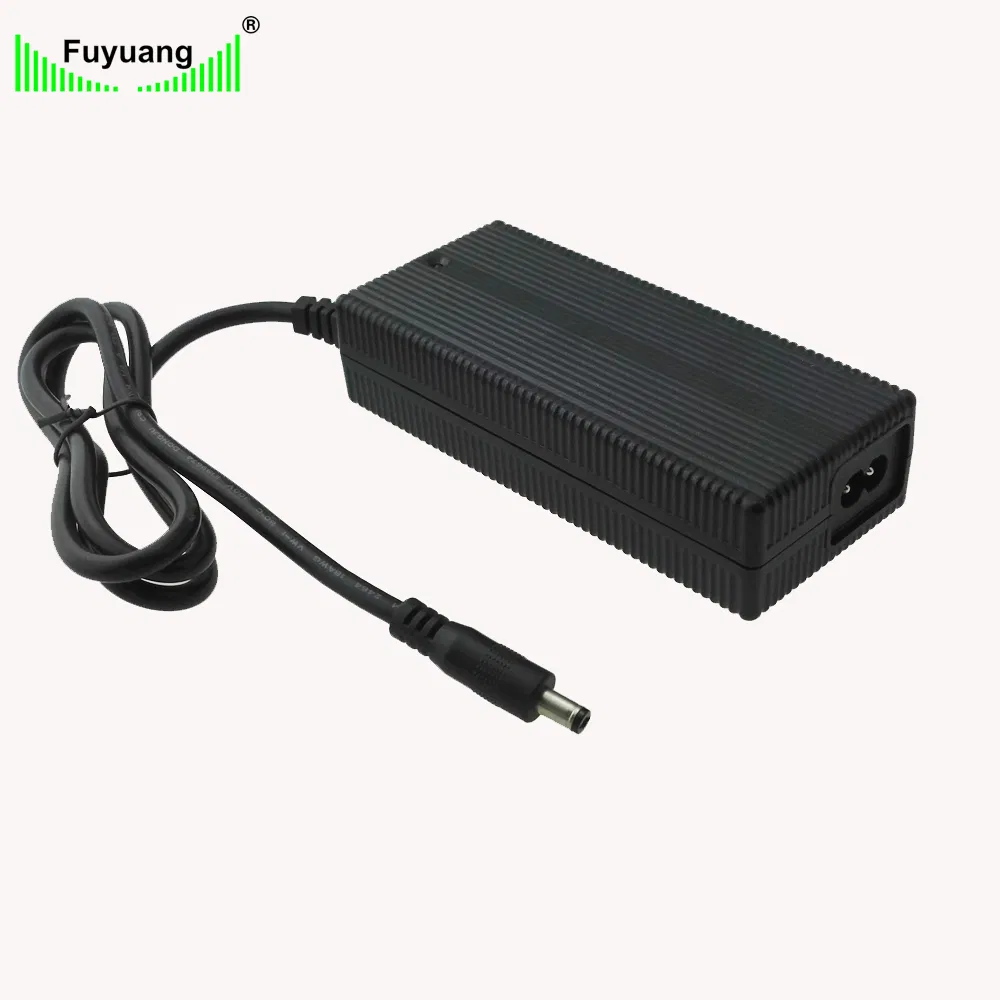
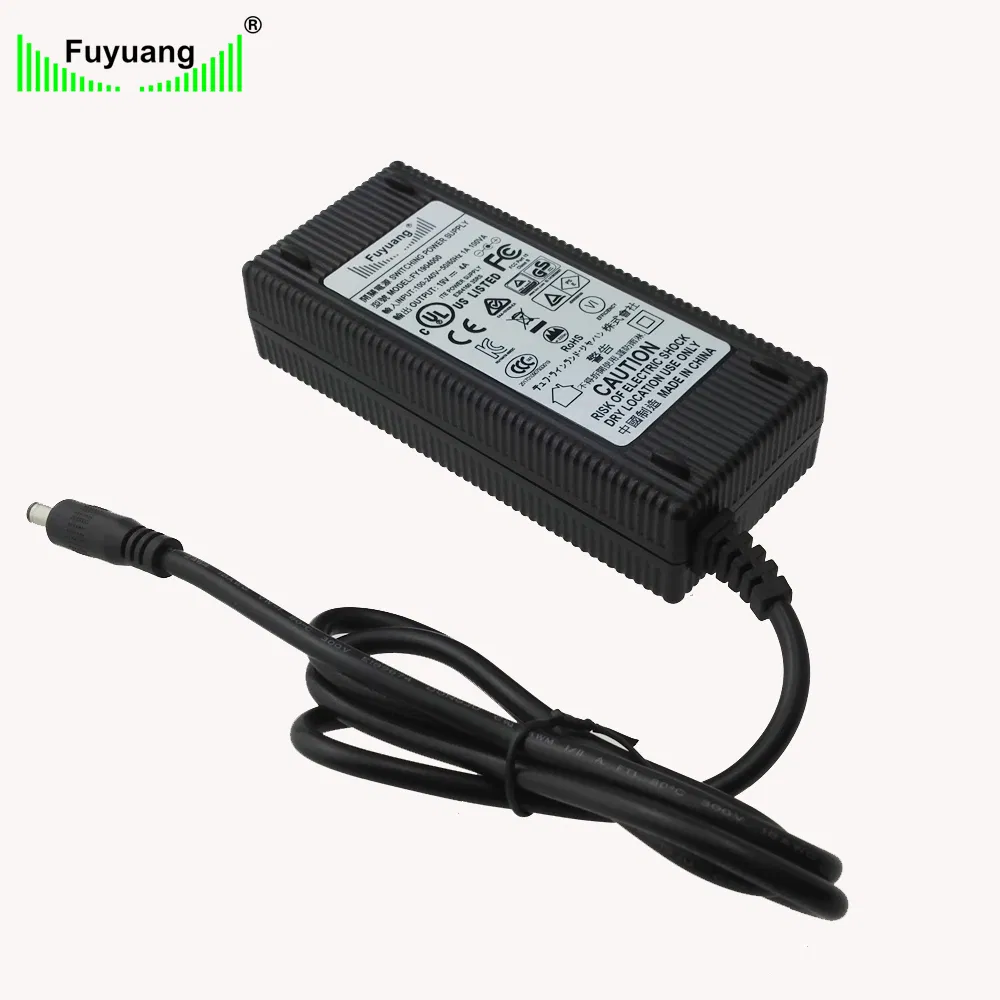
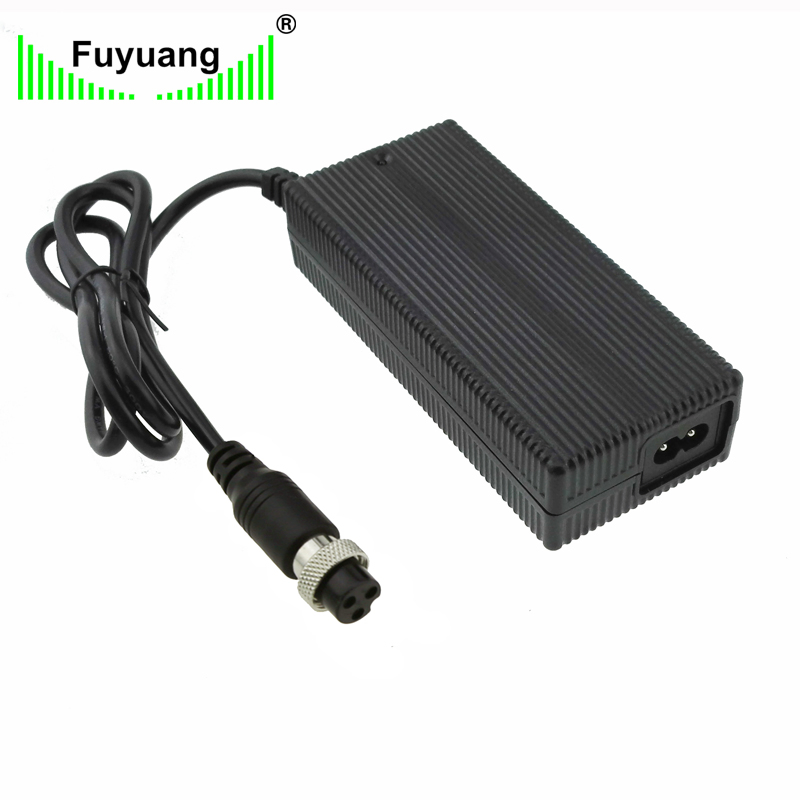
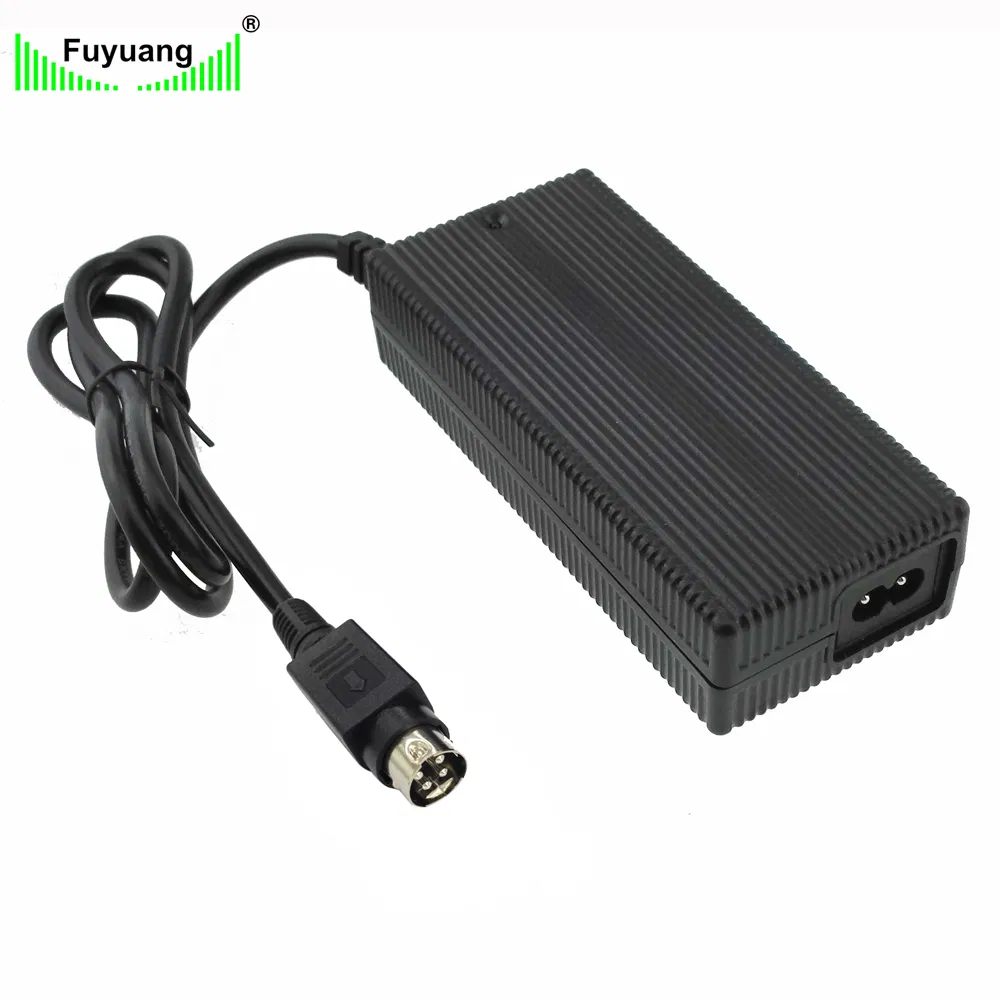
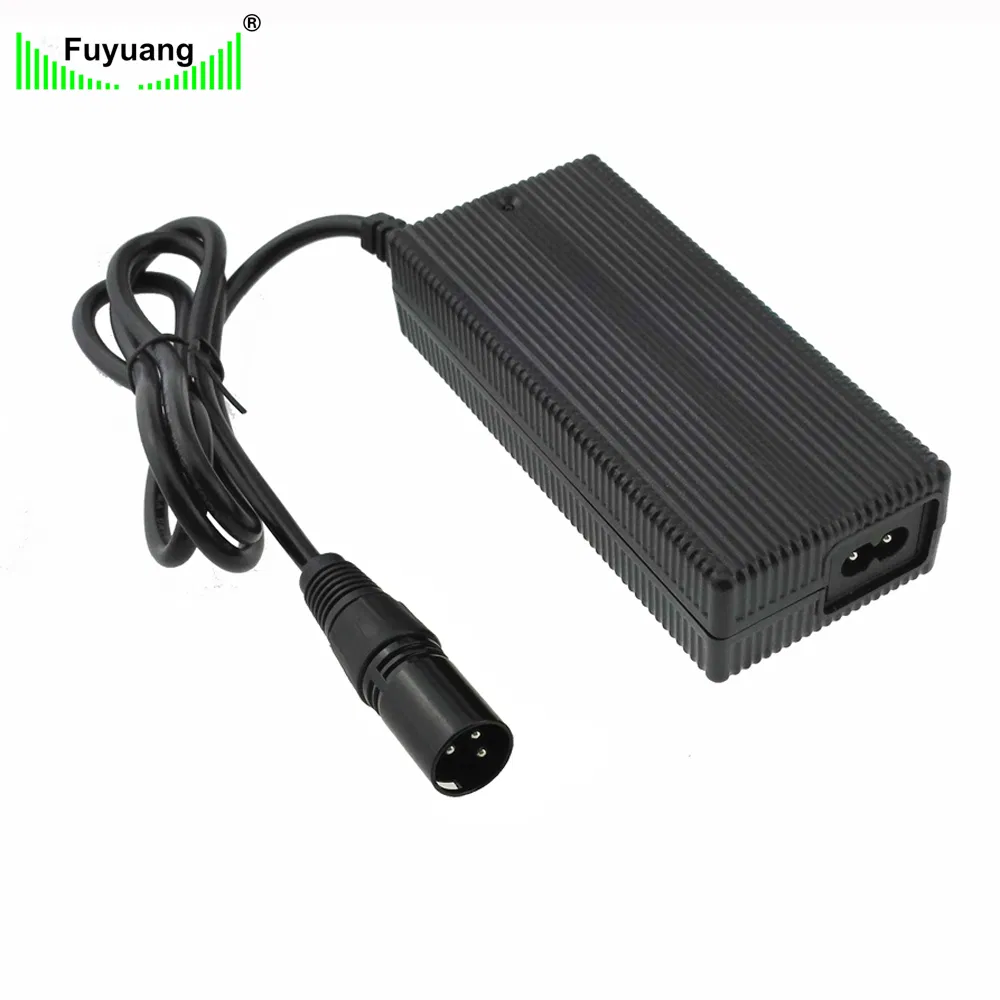
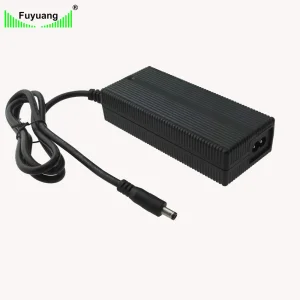
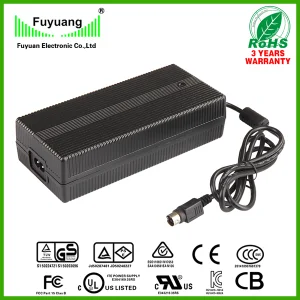
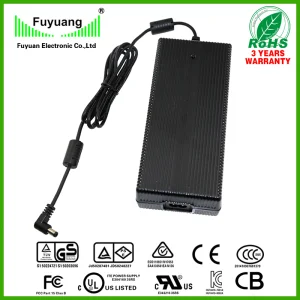
3 Years Warranty High Quality 12V 6A Lithium Charger for 12V 24ah Battery

Still deciding? Get samples of $ !
Request Sample

Product Description

📋

Basic Information

Model NO.
FY1266000
Item Name
12V 6A Lithium Charger
Application
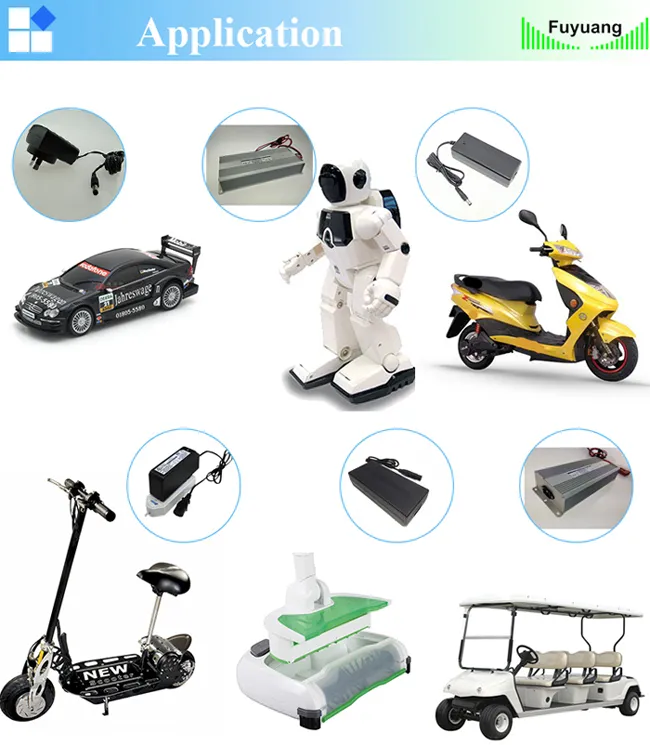
Electric Car, Motorcycle
Certification
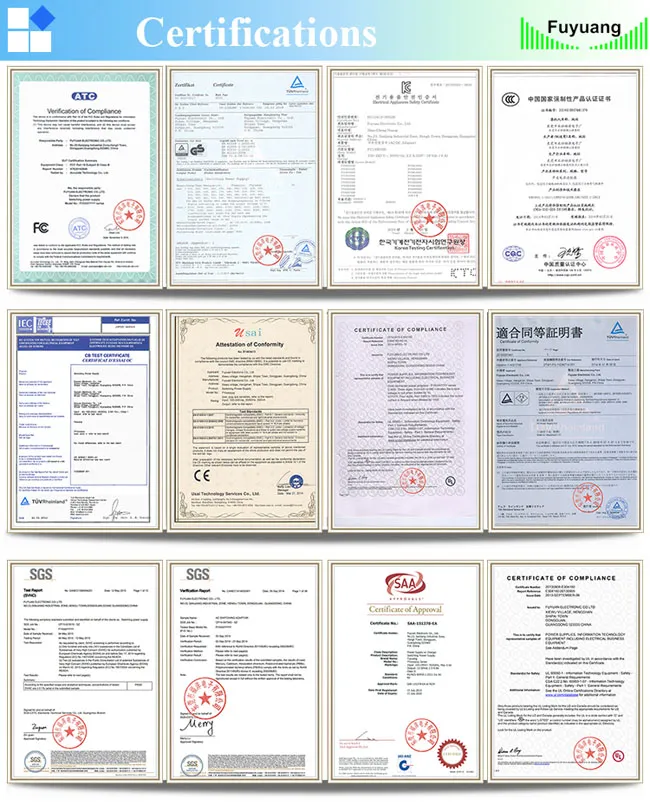
KC, PSE, RoHS, TUV, CB, CE
Efficiency
>88%
Warranty
3 Years
Dimension
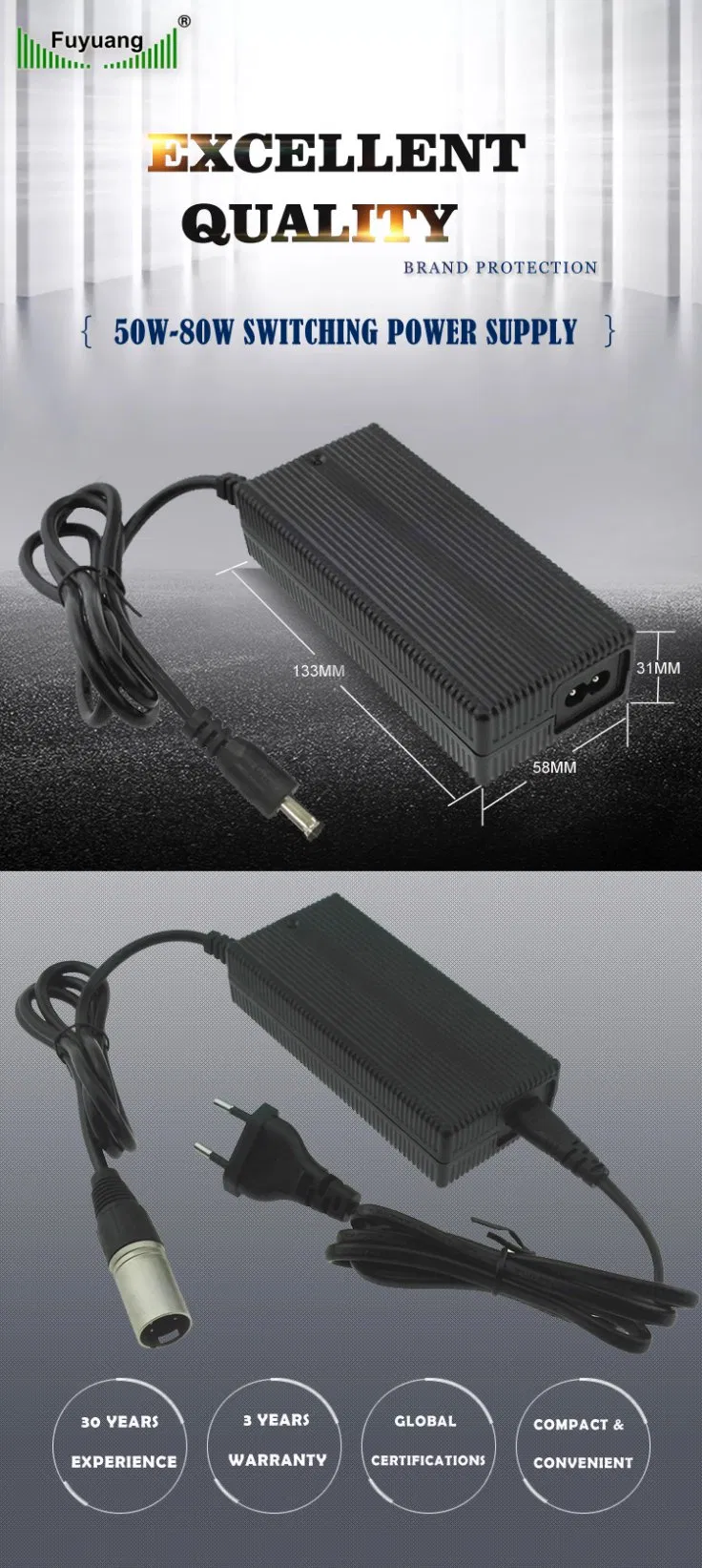
113*43.5*30mm
Weight
0.35kgs
💎

Product Advantages

Global Certificates: Full compliance with CE, GS, CB, UL, CUL, FCC, PSE, SAA, RCM, KC, CCC, RoHS, and REACH.
Quality Assurance: 100% inspection including no load/load voltage, short circuit, OCP, OVP, and HIPOT tests.
Self-made Components: Key parts like transformers, cases, and DC cords are produced in-house for better quality control.
Professional Expertise: Led by a general engineer with over 25 years of industry experience.

Technical Specifications

Item Parameter
AC Input100-240V, 50/60HZ
Max Charging Voltage12.6V
Max Charging Current6A
Inrush CurrentLimited 30A (Cold Start)
ProtectionsShort Circuit, Over Current, Over Voltage
MTBF30,000 hours at 25ºC
Operating Temp-29ºC to +45.5ºC
Energy EfficiencyLevel VI (DOE or COC)
📷

Product & Factory Display

🔋

Charger Compatibility Range

We provide a wide range of charging solutions for various battery types:

Li-ion Battery 1S to 14S (4.2V - 58.8V), Current up to 10A
LiFePO4 Battery 1S to 16S (3.65V - 58.4V), Current up to 10A
Lead Acid Battery 12V, 24V, 36V, 48V Systems, Current up to 10A

Frequently Asked Questions

Q1: What is the difference between MTBF and Life Cycle?
MTBF (Mean Time Between Failures) is a predicted reliability indicator based on component counts. Life Cycle is an estimation of the power supply's actual lifespan based on the temperature rise of electrolytic capacitors.
Q2: Why is the label 100V-240V if the spec sheet says 88-264VAC?
The label reflects safety regulation standards (±10%). Operating within the wider range specified on the spec sheet is safe, but the narrower range on the label ensures users comply with international safety test standards.
Q3: How do I choose the right power supply for battery charging?
We recommend choosing a model where the Over Load Protection (OLP) mode is constant current limiting. This ensures the charger provides steady current even when protection circuits are triggered.
Q4: What power rating should I choose for my system?
To increase reliability, we suggest choosing a unit with 30% more power than your actual need. For a 100W system, a 130W or higher power supply is recommended.
Q5: Does operating temperature affect the output power?
Yes. In high-temperature environments, the output power must be derated. Please refer to the "ambient temperature vs. output power" curve in our specification sheets for details.
Q6: What safety functions are included in your chargers?
Our products include comprehensive protection functions such as Over Voltage Protection (OVP), Over Temperature Protection (OTP), and Over Load Protection (OLP).

Related Products